
Many tax practitioners struggle to attract new clients, even when they’re excellent at the work itself. Being good at taxes is one thing. Getting clients through the door is another. If potential clients can’t find the firm or don’t understand why they should choose it, they won’t reach out.
The good news is that growing a practice doesn’t require expensive ads or aggressive tactics. It comes down to being visible where clients are already looking and making it easy for them to take the next step. Consistently focusing on these two things makes client acquisition far more predictable.
Start With a Clear and Approachable First Impression
Most potential clients form their first impression before they ever make contact. They find the firm’s website through a search, hear about it from a friend, or see it listed in a directory. Within seconds, they decide whether to keep looking or move on.
Clear messaging makes that decision easier. People want to know immediately if the firm handles their type of situation. A homepage that says “tax preparation for freelancers and contractors” is more useful than “comprehensive tax solutions,” for example.
Personalization helps, too. A follow-up email that references what someone mentioned in their inquiry feels more genuine than a generic template. Small touches like using their name or acknowledging their specific concern show the firm pays attention.
Consistency matters across every touchpoint. The website, email responses, and phone conversations should all sound like they come from the same firm. When the tone stays steady, trust builds naturally without forced effort.
Use the Right Tax Software Programs to Support Your Practice
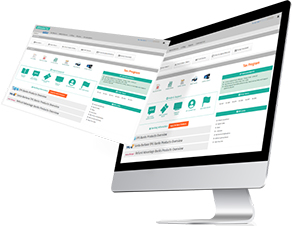
The tools a firm uses behind the scenes affect how smoothly everything runs on the client side. Tax software programs handle calculations, organize documents, and speed up filing. They give practitioners more time for client communication by reducing manual data entry time.
Some programs are built for high-volume practices that file hundreds of returns quickly. Others offer more customization for firms that handle complex situations, such as multi-state filings or small-business accounting. The right fit depends on the types of clients the firm serves and how much automation actually helps versus complicates things.
Make It Easy for People to Understand Your Value
Many people feel intimidated when tax season rolls around. That’s where a practitioner’s way of communicating and explaining things makes the difference between someone reaching out or clicking away. When potential clients land on a website full of jargon or unclear descriptions, they leave.
Clearly explain the process clients go through when they work with the firm. If they need to submit documents by a specific date, say so. If there’s a review step before filing, mention it. If the firm handles everything after the initial meeting, make that clear too. When people know what to expect at each stage, they feel more comfortable committing.
This kind of transparency also reinforces trust. When the website, follow-up emails, and phone calls all match in tone and substance, clients feel like they’re dealing with someone reliable.
Lean Into Referrals Without Pressuring Clients
It’s no secret that referrals work better than most other marketing tactics. After all, people trust recommendations from someone they know far more than an ad or a sales pitch.
Start building that trust by delivering work that speaks for itself. When a client has a smooth experience, they’re more likely to mention the firm to someone else dealing with tax stress.
The easier it is for clients to share that information, the more likely they are to do so. Hand out extra business cards or send a quick note after tax season with something like “if you know anyone who needs help with their taxes, please share my contact info.” The best time to mention this is right after a successful filing when the experience is still fresh.
Some firms offer small incentives, like a discount for both the referrer and the new client. That can work, but it’s not required. A simple thank-you note for referring a friend shows appreciation and makes them more likely to refer again.
Show Your Expertise Through Helpful Content
Educational content builds trust before the first meeting. Sharing helpful insights helps tax practitioners position themselves as trusted advisors rather than people just looking for business. Some of the best content addresses the questions clients repeatedly ask during tax season.
Focus on topics that reduce stress or clear up common confusion. For example, many people believe filing an extension means they’ll pay penalties, or that married couples always save money by filing jointly. Creating content around these tax myths shows knowledge of the space and a genuine interest in helping people.
The benefit of educational content is that it continues to work long after you’ve published. Once a blog post or guide goes live on a website, it continues attracting visitors and building credibility without any additional effort.
Be Present Where Your Clients Already Are
The more platforms a firm uses, the better the results, right? Not necessarily. Sometimes it helps to focus on just a few channels where potential clients already spend time. These might include local business groups, email newsletters, or community events.
The advantage of this approach is that firms can show up consistently instead of spreading efforts too thin. It’s also less stressful. The smaller, tighter focus helps build genuine connections within a community. When people see the same name repeatedly in helpful contexts, the firm becomes a natural option for tax help.
Local involvement further strengthens this effect. Sponsoring a youth sports team or participating in neighborhood events makes the practice feel approachable and rooted in the area.
Offer The Right Tools and Support
Tax season creates anxiety for most people. They worry about missing deadlines, making mistakes, or not getting the refund they deserve. Solo practitioners who address these concerns directly make it easier for clients to choose them over larger firms or DIY options.
One way to reduce that stress is by offering tools that speed up the process and give clients more control. Tax software with bank products lets clients receive refunds faster, access their money when they need it, and stay organized beyond April. When the filing experience feels smooth and convenient, clients remember it.
Make the Next Step Simple and Low Pressure
Successful tax practitioners make it easy for clients to take the next step. Most people hesitate because reaching out or scheduling an appointment feels complicated or unclear. Avoid that by keeping scheduling simple and explaining exactly what’s needed upfront.
Some firms use simple contact forms that ask only for essential details, such as name, phone number, and a brief description of what the client needs help with. These work better than lengthy questionnaires that feel like homework.
Other tips include:
- Sending a confirmation email immediately after someone books an appointment
- Listing exactly which documents to bring and why each one matters
- Offering flexible meeting options like phone calls, video chats, or in-person visits
- Following up with a friendly reminder a day or two before the meeting
- Keeping communication open, even if someone isn’t ready to commit right away
Remember that the goal isn’t just landing a new client for a season. Long-term relationships fuel your success. Those come from consistency and follow-through. When clients feel supported year after year, they return and refer others.