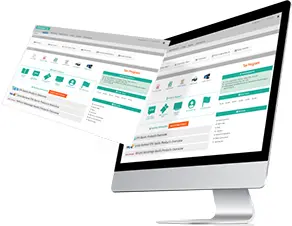

A service bureau operates at a different level than a single tax practice. You are supporting other preparers across multiple locations while keeping a high volume of returns moving accurately and on schedule. The revenue model reflects this, with fees coming from software sales, bank products, and the network of preparers under your umbrella.
That scope puts different demands on your software. Rather than a tool built for one preparer’s workflow, you need a platform that can hold an entire operation together.
Why Service Bureaus Need a Different Kind of Software
Service bureaus need specialized software because their business model is different. Take white-labeling as an example. With standard tax software, you are filing under someone else’s brand. With a service bureau platform, you can put your own name and logo on the software and market it to the preparers under you.
That is just one piece of it. Managing multiple offices, setting your own fees on bank products, and supporting dozens of preparers from a single dashboard are capabilities that standard software doesn’t handle.
Multi-User Management That Scales With Your Operation
When you are running multiple preparers, access control becomes one of the most important things your software handles. You can set permissions that reflect how your office actually operates, down to who can transmit returns and who can access bank products for tax preparers on your platform.
Role-based access handles that without requiring constant oversight. Each person can work within the access their role requires. Sensitive parts of your operation stay protected without extra steps.
Seasonal staffing is another consideration. You can bring people on quickly at the start of the season and remove their access just as cleanly when it ends.
Centralized Reporting That Shows What’s Happening
Service bureau operators need visibility across the whole operation. You should be able to answer basic questions without chasing people down. How many returns were started this week? How many are ready for review? How many were transmitted? Where are the bottlenecks?
Centralized reporting gives you those answers in one place. It also helps you stay ahead of quality issues. If one location has a high rejection rate or one preparer is consistently falling behind on document collection, you can step in before it turns into a bigger problem.
Reporting also supports smarter staffing. When you understand volume and turnaround, you can schedule work more realistically and reduce burnout.
White-Label Branding That Keeps Your Business Front and Center
Branding matters in a service bureau environment because the client experience needs to feel consistent. If your software supports white-label branding, you can keep your business identity visible across portals, client-facing documents, and communication throughout the process.
White-labeling builds trust on both sides of your operation. Clients feel more confident when documents and communications come from a name they recognize. Additionally, preparers get a consistent experience that reflects your standards.
Branding control also comes in handy when you operate across multiple sites. White-label software ensures every client has the same experience regardless of which location they walk into.
Bank Product Support That Fits Service Bureau Operations
Many service bureau operators rely on bank products as part of their workflow. That brings extra responsibilities: setup, tracking, compliance handling, and clear transmission procedures. Your software should support these processes without making them fragile or complicated.
You need a system that keeps bank product workflows organized and traceable. You also want a clear separation of duties where appropriate. If one person manages certain settings, your access controls should support that.
Bank product support should feel integrated into the platform. When it feels bolted on, you spend more time troubleshooting and less time running the business.
Built-In Compliance Tools That Reduce Risk
Service bureaus handle a level of volume and complexity that makes compliance risk harder to manage. More users touching more returns means more opportunities for missing data, filing errors, and rejections to slip through.
This is where choosing the right tax preparation software for multiple returns becomes important. Built-in checks and clear workflows give your team a structured way to catch issues before they reach the client or the IRS.
With multiple preparers working across your network, accountability matters just as much as accuracy. User activity tracking and access logs give you a clear record of who handled what, which protects your operation when questions come up.
Tax rules and forms change every year. A service bureau cannot afford to lag behind because outdated logic can create filing errors that affect every preparer on your platform.
Pricing Flexibility That Matches Your Business Model
Service bureau pricing often needs flexibility. You may charge by volume, by location, by preparer seat, or by a mixed structure. Your software should support your model rather than forcing you into one rigid setup.
You also want clarity on costs. Surprise fees create planning problems, especially when your return volume fluctuates. A clear pricing structure helps you forecast and make decisions with confidence.
Flexible pricing supports growth as well. As you add preparers or expand locations, you want a path that scales without forcing a disruptive system change.
Customer Support That Helps You Keep the Doors Open
When software issues come up in a service bureau, their impact spreads across your entire operation. Support needs to be accessible and responsive during the weeks you can’t afford to wait.
Setup and onboarding matter just as much. Clear documentation and guidance during configuration can prevent a significant number of issues before the season even starts.
A practical way to evaluate any platform is to ask how quickly you can resolve a common problem. If the answer is uncertain, your operation will feel that way every busy season.
A Quick Way to Evaluate Fit Before You Commit
The best way to assess whether software fits a service bureau is to look at how it handles your daily operations rather than its feature list. Ask whether it can support people, quality, and security at the scale you are running.
A few practical areas to test:
- Can you control user roles and permissions without it becoming complicated?
- Can you see production and status across preparers and locations in one place?
- Can you keep client document sharing organized through secure tools?
- Can you support bank product workflows without extra manual tracking?
- Can you get issues resolved quickly when something goes wrong?
If those answers are solid, you have a platform that can support your operation rather than add to it.
Running Smooth Operations Takes the Right Foundation
A service bureau is only as stable as the platform running it. When your software is built for the scale and complexity of bureau operations, the season runs cleaner, and your team spends less time putting out fires. That is where the right platform pays for itself.